
AIA Martin Roche Scholar 2015
Travel research project financed by the AIA Chicago


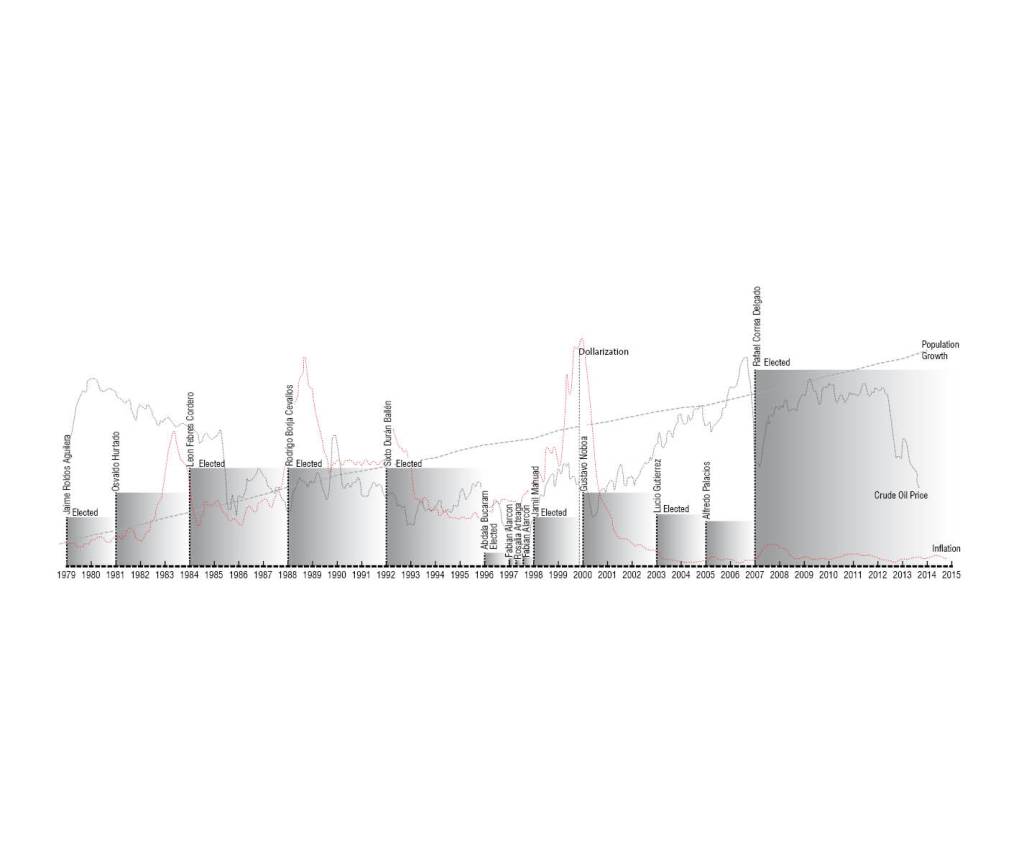


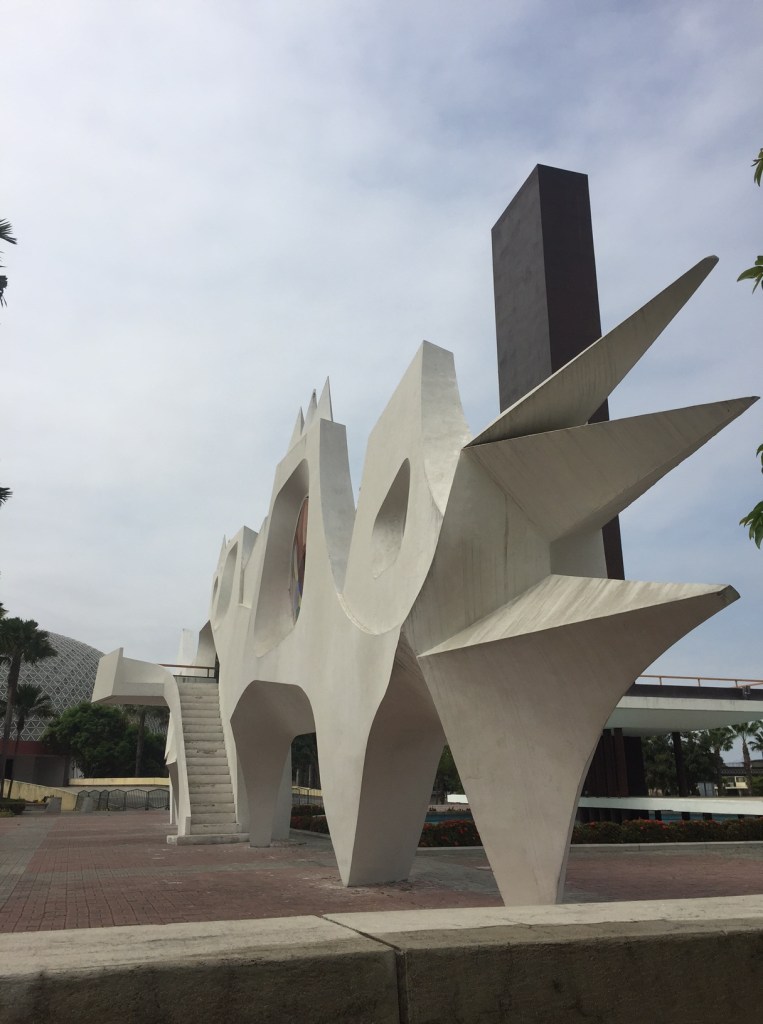

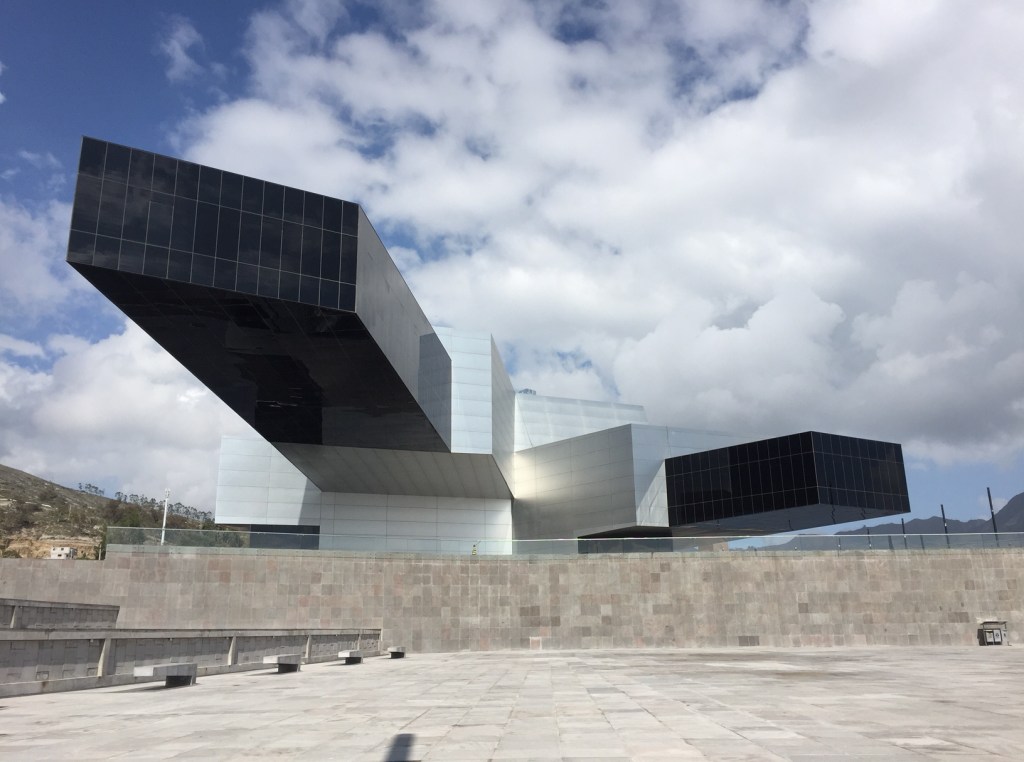

The rise and fall of political leaders, the development of society, economic demands and crises have shaped cities and architecture throughout history. This study aims to dissect the factors that frame, create and drive the appearance of new urban conditions in a time where Ecuadorian history is in the making.
The Republic of Ecuador after years of unstable, temporary governments, most of which were overthrown by the people, is now experiencing one of the longest and deepest political movements in the past 30 years. This Revolución Ciudadana (Citizen Revolution) as the local authorities call the movement, has deeply reshaped the urban landscape of the country. This movement is seeing its trajectory shaped by an overarching master plan
“ El Plan del Buen Vivir”. The plan stands as the root and guiding principle to massive governmental investments in various development and social projects stretching across the country.
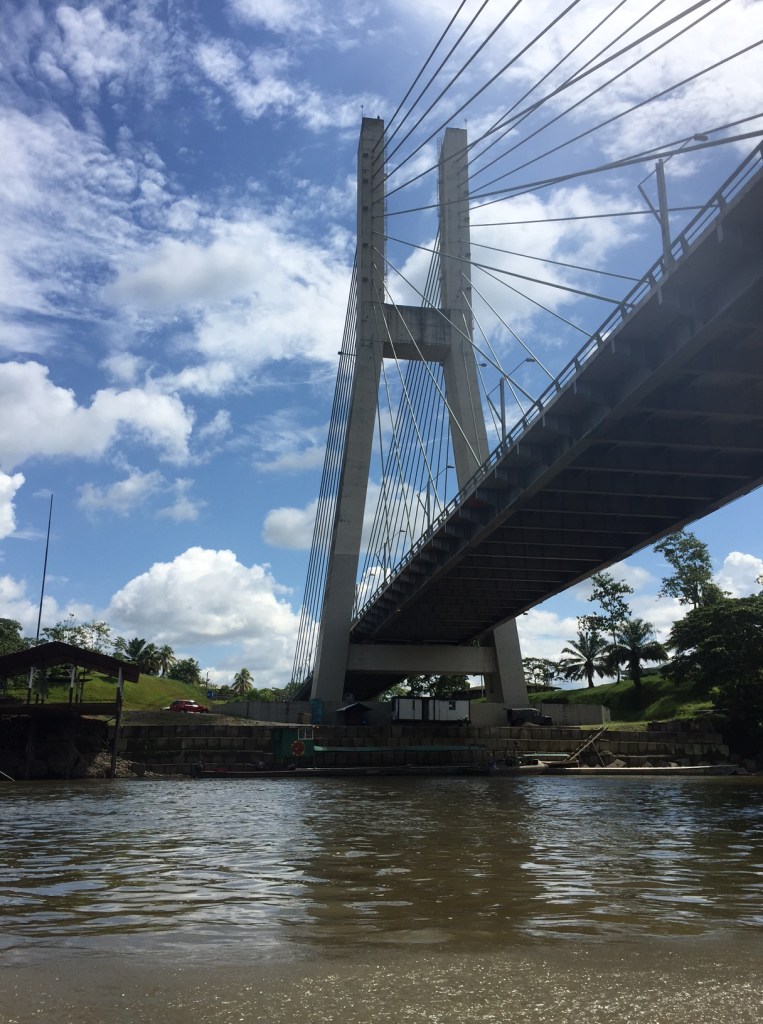
The signs of this strong movement are seen throughout various corners of the country. The projects range from the micro buildings with a singular purpose, to the development of mega cities in remote areas. These urban interventions witnessed by the country vary in type and scale, but all carry a concrete agenda of the state’s development plan.
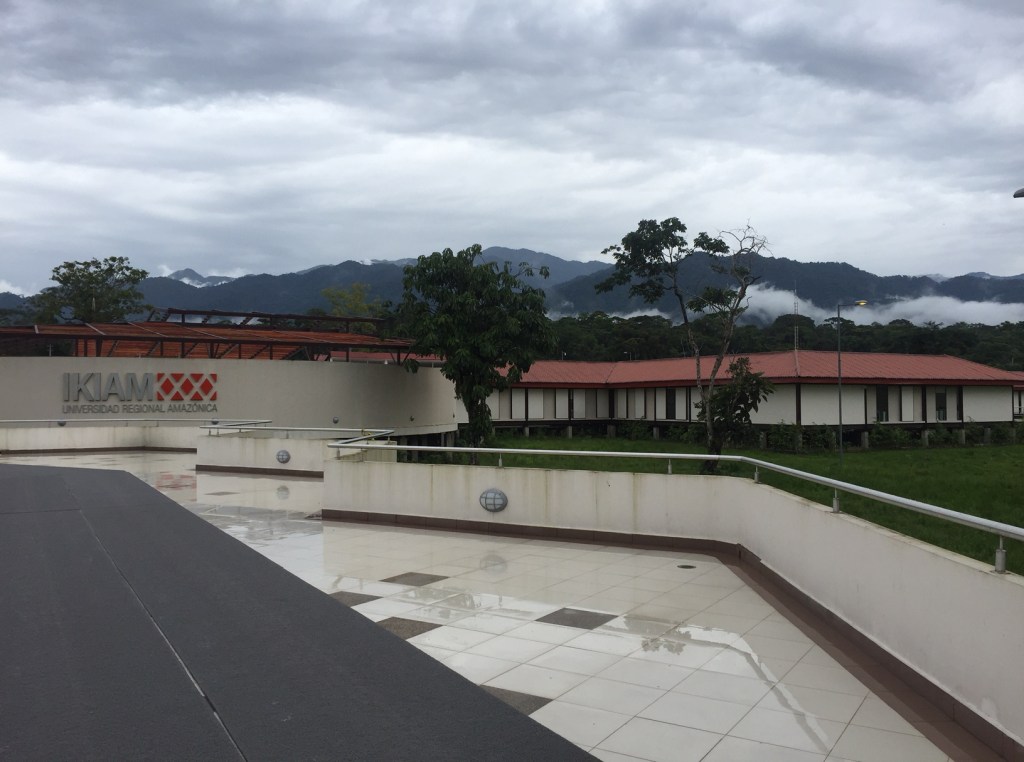
The remote location of this project and other constructions in settings such as the Amazonian jungle demonstrate investment in areas traditionally overlooked by past leaders. These Urban Interventions carry an agenda of a participatory and decentralized democratic republic, which is clearly depicted by the large range of locations, scales, and types of projects. Ecuador presents a unique setting that is in the core of a massive urban,
infrastructural, social and political development. The study aims to catalogue how from the beginning of this comprehensive political movement, the country has been reshaping its urban landscape. Ecuador is in the midst of an urban experiment in which the government is using architecture and urbanism as a key vehicle to declare a new democratic republic of “Good Living”.
The journey focused on visiting a range of these strategic projects that vary in type and stages of development. Visiting a total of 10 projects and traveling 1,500 miles within the country, an inventory of these urban conditions has been crafted. The lessons of these ambitious interventions are collected in this “Catalogue of Good Living”. The aim is to analyze this unique model through different lenses. This approach will allow the discovery of how all these interventions condense into a unique type of urbanism that is shaping the history of Ecuador and the future of its urban landscape.
 J S C
J S C 